The Crafters’ Café Network
I was given a leaflet for the fathom trust by the crisis team, not knowing where to go or what to do after leaving their care the leaflet gave me some direction, although I had tried a couple of groups previously which I couldn’t seem to manage so I wasn’t feeling too optimistic but I thought I would give it a go, I voiced my concerns with a kind lady in the office (Kim) she assured me that if I needed to leave at any point I could. So I turned up, fragile and vulnerable, bit lost and craving to find somewhere to belong.., I was met with so much warmth that I immediately felt drawn in, there was a large piece of paper on the wall detailing the activities and breaks that were planned for the day… this was really helpful knowing what to expect. We were all quite shy in the beginning but by the
end of the session we were looking forward to seeing one another the following week! And from then on with each week that went by I began to feel warmth enter into my world, a sense of belonging and not feeling so lost.. the crafting, the sit spots, sharing healthy lunches and conversations with others was starting to put me back on track, by the end of the 8 weeks I felt like I had a whole new family.. the fathom family ! It was hard to leave after those 8 weeks but the crafters cafe has allowed myself and others to continue connecting while crafting in safe and nurturing environment.. I am so very grateful to have the fathom trust it’s been a lifeline for me and continues to be. Thank you 🙏🏻
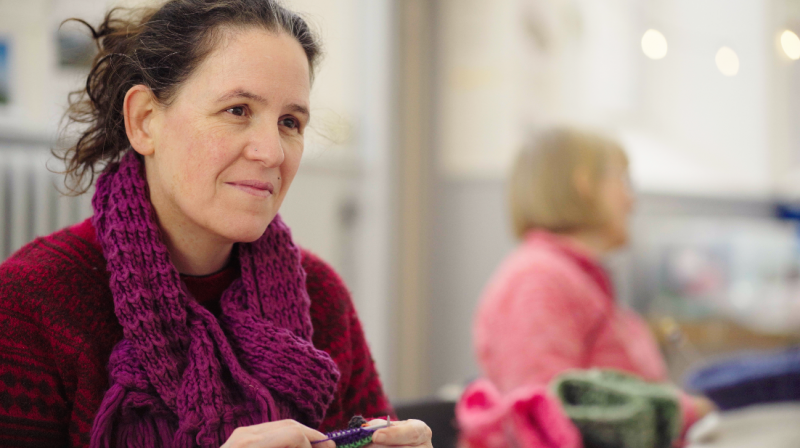
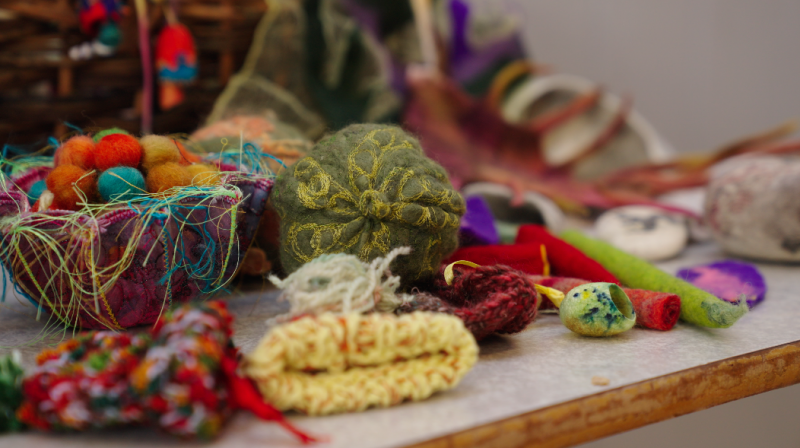
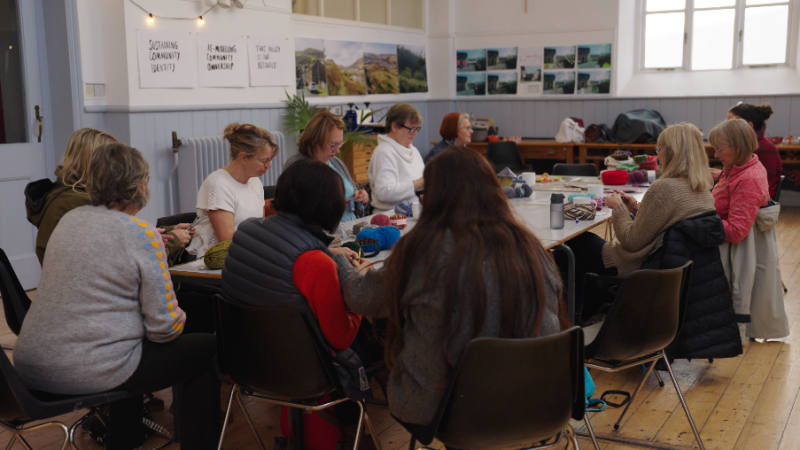
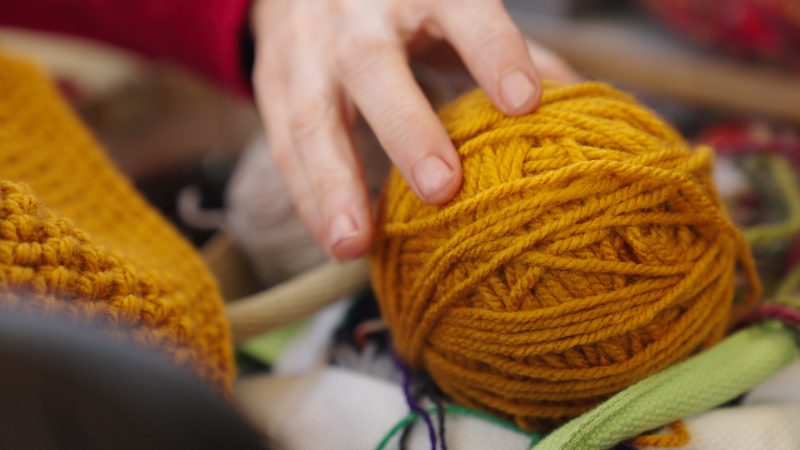
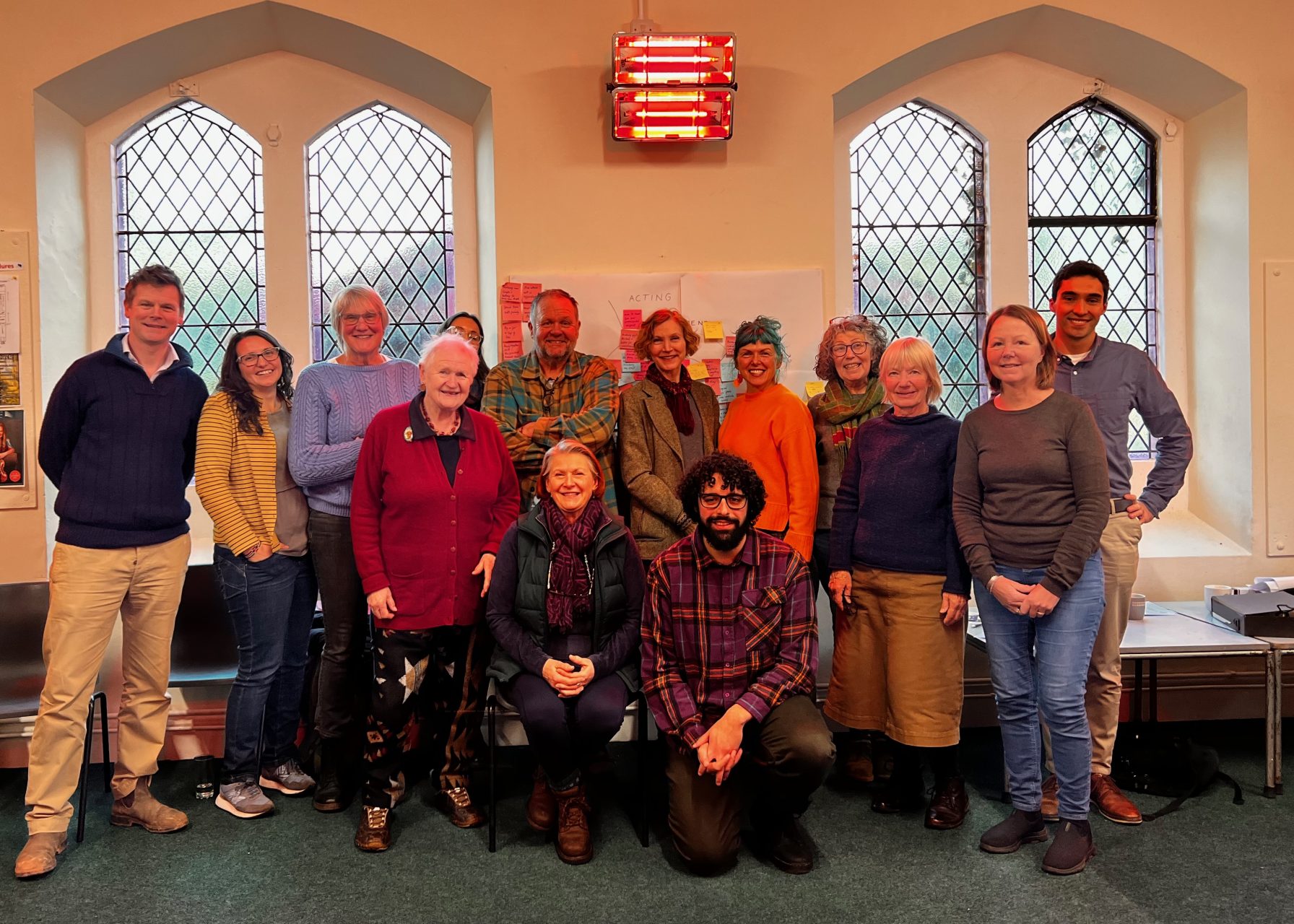
Participants from some of our earliest Making Well courses were directly involved in the creation of the original Crafters’ Café together with our artisan-crafters, whose knowledge and experience helped us to conceive a model for community-based craft centres, reflecting Fathom Trust’s holistic, approach to care through craft. Continuous, multifaceted community engagement is pivotal towards understanding individual contexts and needs, and how to promote wellbeing through traditional craft projects. Engagement identified tractable unmet needs which led to the idea of craft centres as creative meeting places for craft and companionship with informal pastoral care. The Café continuously listens, responds and adapts to the community and its needs. We facilitate social media (WhatsApp) support groups for course attendees and run regular experiential open days and public events. Our Advisory Board includes members of the community, including past Making Well participants. Our co-productive approach led to the Crafters’ Café becoming a popular community asset in the heart of Brecon. Our vision is for a thriving, sustainable welcoming Café Network supporting every community we serve, located in accessible spaces and adapted to local needs.
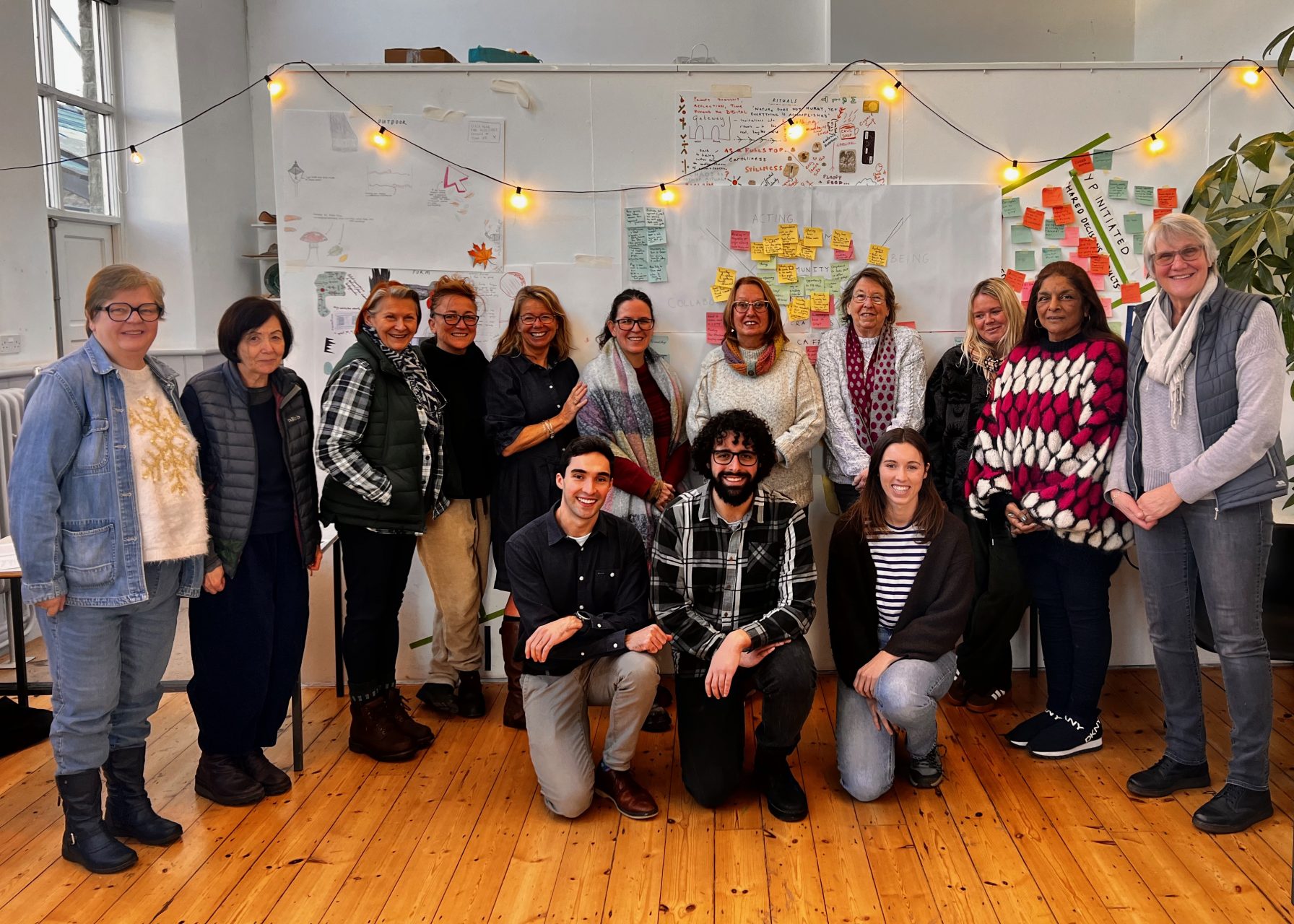
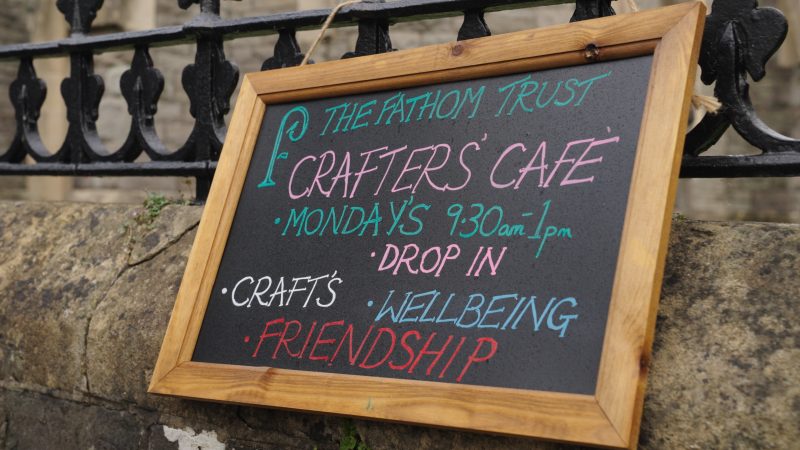
Our first ‘Community Crafters’ Café’ opened in late 2022, in the ancient Tithebarn in central Brecon. Café crafts are facilitated by local professional artisans, supported by enthusiastic volunteers. We welcome around 20 people each week, sometimes spanning 7 decades in age. Many say it’s the only time they venture out into the community, others that it opens them up to other community activities, which they hadn’t previously been confident to explore. The Café is also able to signpost people interested in working at our nearby community garden or, attend open-days promoting our more intensive courses, Making Well included. We have created an extensive community network of organisations and statutory services, which offers us up-to-date insights into community needs and service priorities. We advertise the Café and Making Well at GP practices, volunteer organisations (WCVA, PAVO) and community mental health services.
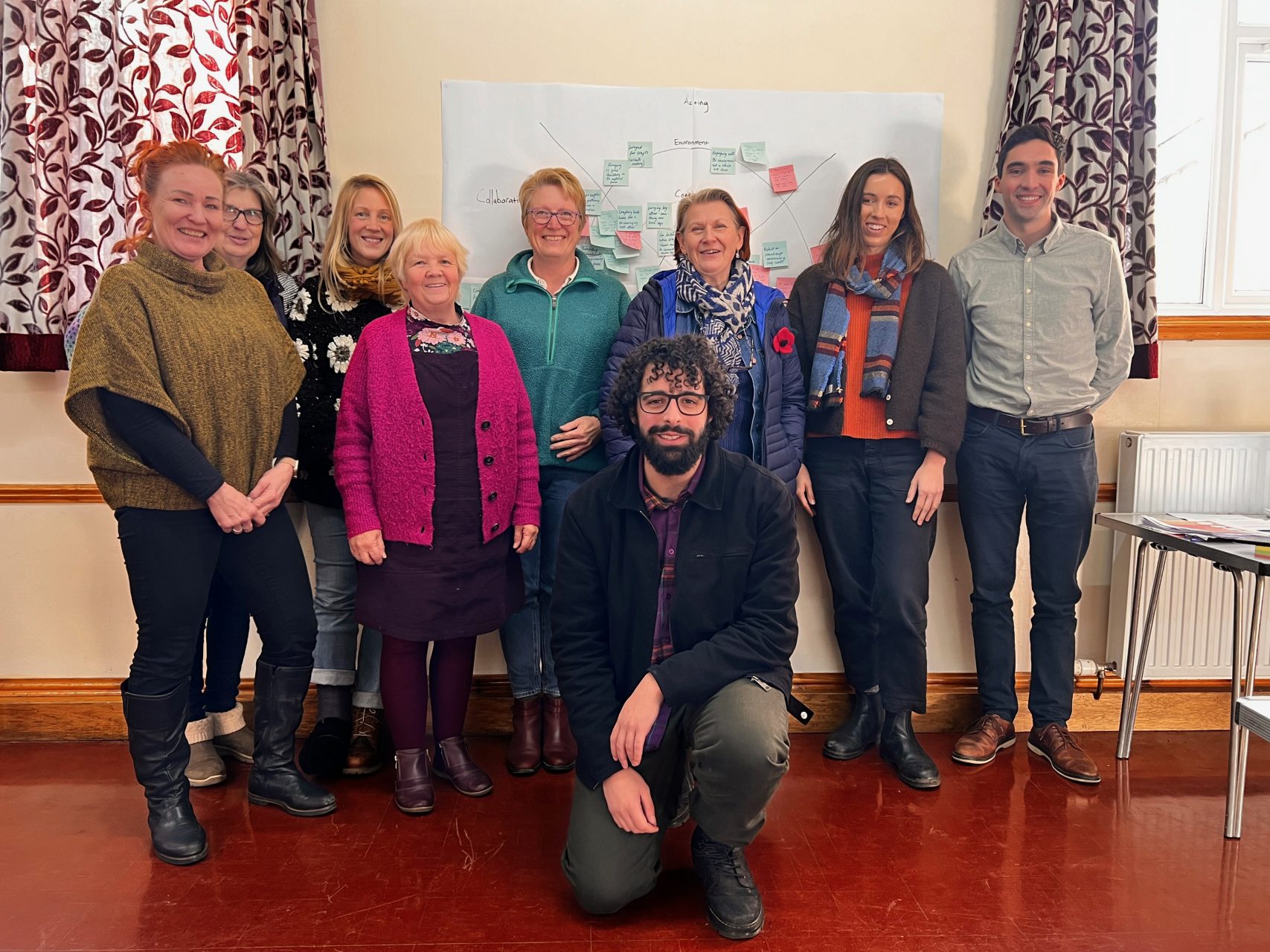
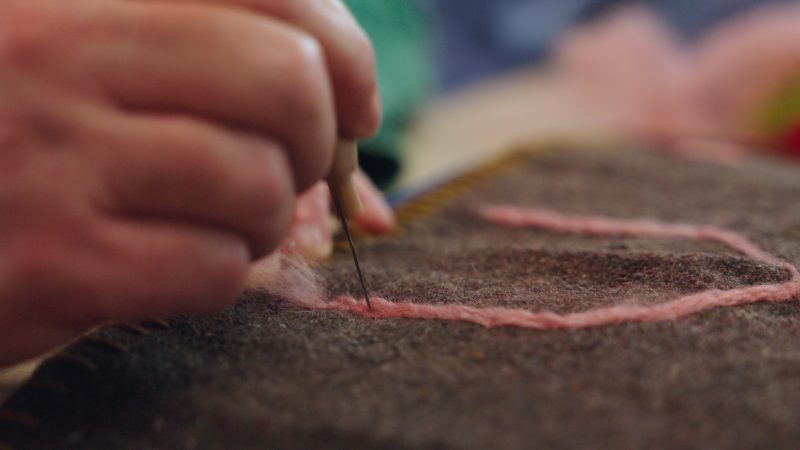
This year the Crafters network has extended north into the heart of mid-Wales with another former Making Well participant opening our third venue in Crossgates to complement existing Crafters venues in Brecon and Crickhowell. Funding from the Ashley Family Foundation and Heritage Lottery Fund has enabled us to run 96 workshops in willow weaving, rag weaving, ceramics, lino printing, crochet, needle felting, wet felting, felted pictures, felted soaps, cyanotypes, mandala drawing, chemigrams (analogue photography), jewellery-making, knitting, papier-mache and more in addition to creating a materials library.
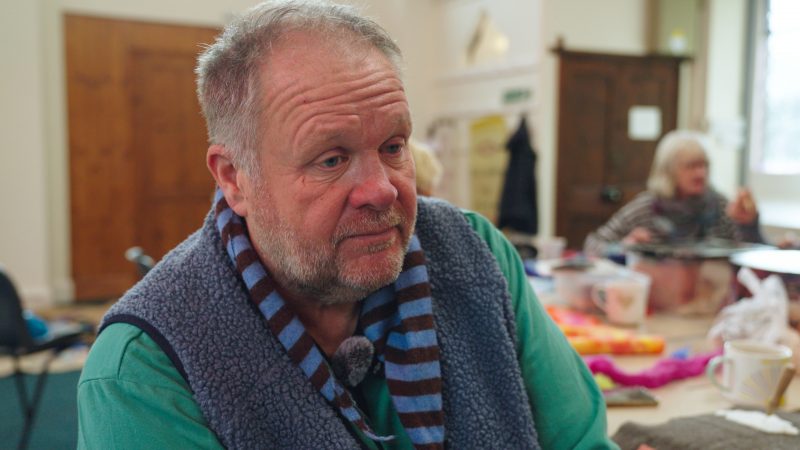
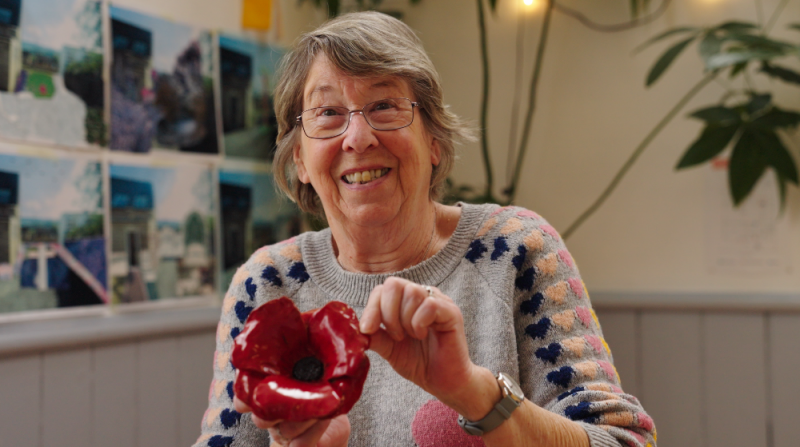
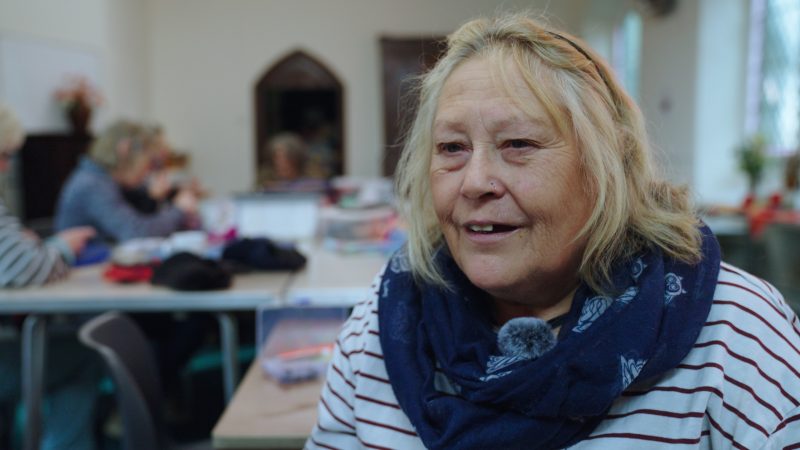
With help from Dr Amy Isham and her team at the Sustainable Wellbeing Research Group at Swansea University, we have observed a number of benefits to those participating including:
There is an additional impact that the participants perceive in terms of the cross-generational nature of the groups. Our older attendees are accessing new technology, like contributing articles and sharing their creative projects from home to the WhatsApp group on a regular basis. Younger members benefit in learning from the deep knowledge of traditional skills that older generations bring – like knitting, sewing and crochet. Participants often share their cultural traditions, values, and knowledge to younger generations, with the value of learning life lessons, successes as well as failures.
We have started to work with the seasons, helping people to engage in events that happen in society from which they may have felt isolated, which helps them to feel part of something rather than apart from it. eg Easter, Remembrance Day, community festivals etc. Participants are invited to join a separate Whatsapp group for each Crafters’ Cafe. This helps to facilitate support within the group between sessions and gives us a sense of how the group is developing along with a direct channel for feedback. Some participants have joined crafters during a break from employment, having experienced a loss of confidence, and have re-entered the world of work having engaged with the group. Some participants have led the group in their own particular craft interest, following on from our self-sufficiency maxim of ‘each one, teach one’. Some participants have initially joined the group with their community nurse, all of which were able to attend independently after a few weeks. This, together with the support that comes from attending, takes pressure off our health services. For some this is their only social interaction during the course of a week and for others the only one they look forward to.
Participants talk of an expanding social life, including learning from others about their hobbies, giving each other lifts to appointments, organising daytrips and sharing insights from each other’s religions or life experiences. With regard to the wider community, members from the Crafters network have volunteered for a range of community events and organisations, strengthening community bonds and increasing the viability of small local organisations such as churches, galleries, bereavement groups, village halls etc. Supporting people from local and surrounding communities to come together and using the centre at Crossgates supports its operational viability, directly contributing to the venue’s financial and functional sustainability.
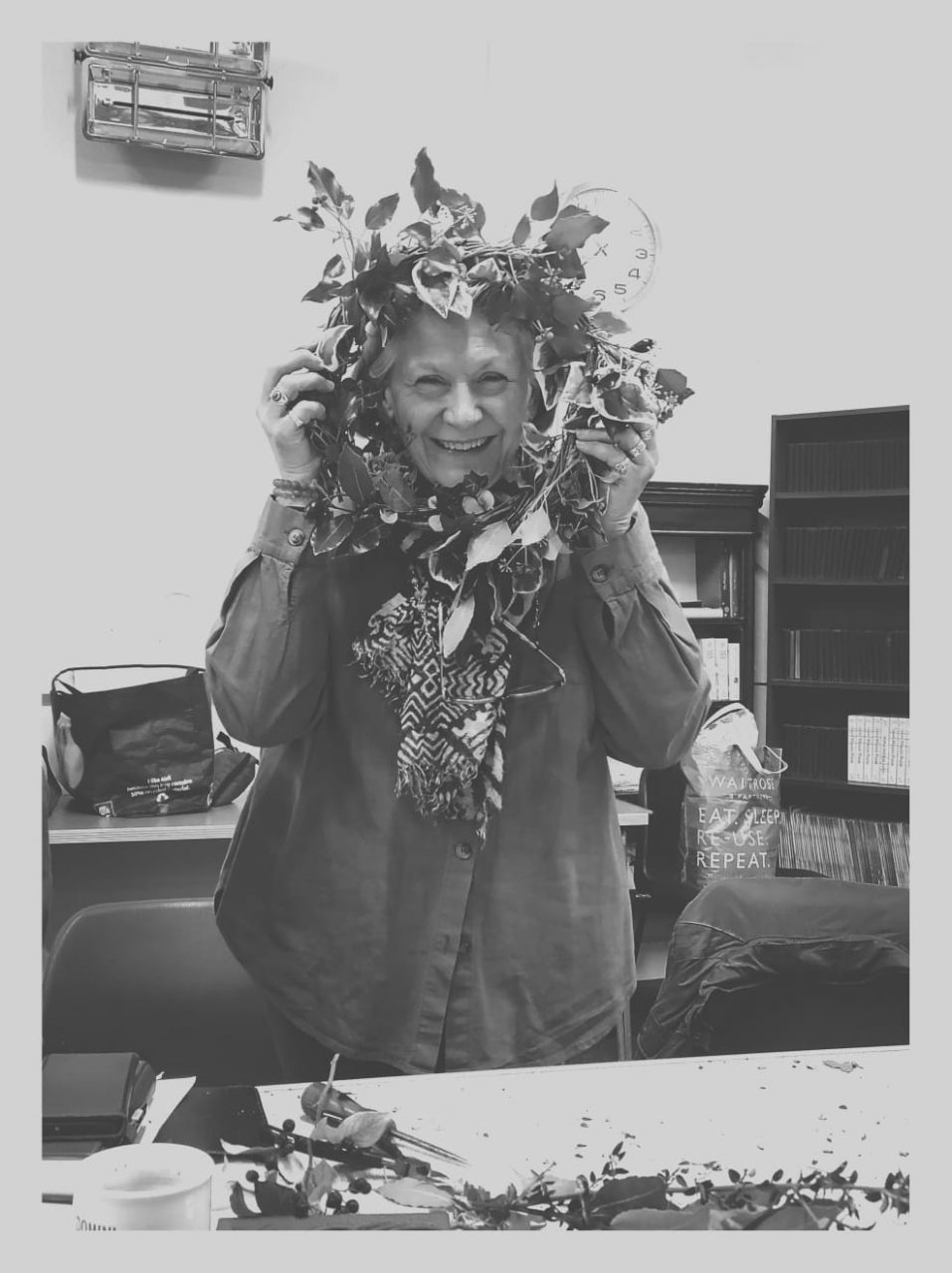
For me as a practitioner, Crafters' Cafe has given me a huge sense of purpose, an understanding of myself, a connection to how others carry life's difficulties, and how the sharing and participating of crafts within community is mutually empowering in so many ways.
Crafters' café, has made craft - the act of making - a process of object and a process of meditation. The latter means I always have a piece of peace of mind to be getting on with.
Each Crafters’ Cafe has identified and trained a volunteer to assist the cafe coordinator. This has given us a core group of coordinators and assistants who have agreed to start their own community interest company to oversee the administration and running of the cafes from January 2026. Fathom will assist the CIC with fundraising and with material support. This model of nurturing a cluster of community groups and then consolidating them into a CIC is a one which could facilitate the spreading and scale of the Crafters’ network to other regions across Wales.